
independent contractors sue for unpaid invoices
The question of whether can independent contractors sue for unpaid invoices is an important one for anyone working in freelance or contract-based roles. Independent contractors often provide services to businesses or clients under agreements that specify payment terms, deadlines, and deliverables. When a client fails to pay for services rendered, the contractor faces not only financial strain but also potential disruption to their business operations. Understanding the legal rights and options available to recover unpaid invoices is essential for independent contractors to protect their income and maintain professional credibility.
Legally, an independent contractor has the right to pursue payment for work completed under a contract, whether that contract is written or verbal. While written contracts provide the clearest evidence of agreed-upon terms, courts recognize that verbal agreements can also create enforceable obligations. The key factor is that the Independent Contractor can prove that services were provided and that payment was expected. Documentation such as emails, invoices, and project records can serve as critical evidence in demonstrating the validity of the claim.
The process of suing for unpaid invoices typically begins with attempting to resolve the issue directly with the client. Independent contractors are encouraged to send reminders, formal demand letters, or engage in negotiations before taking legal action. This not only shows professionalism but can also sometimes lead to faster resolution without involving the courts. However, if these efforts fail, independent contractors have the right to file a claim in small claims court or pursue other legal remedies depending on the jurisdiction and the amount owed.
Can independent contractors sue for unpaid invoices?
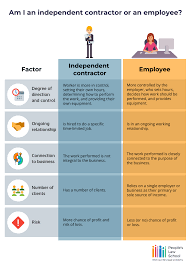
In many cases, the distinction of being an independent contractor affects how the claim is handled. Since independent contractors operate as separate business entities rather than employees, they are considered creditors who are owed payment for services rather than wages subject to employment laws. This means that standard business contract laws apply, and independent contractors must follow legal procedures for recovering debts, such as filing claims for breach of contract or pursuing collections. Courts will examine the terms of the contract, the scope of work completed, and any communications between the parties to determine whether payment is owed.
Written contracts significantly strengthen the position of an independent contractor in suing for unpaid invoices. A clear agreement specifying payment amounts, deadlines, and penalties for late payment provides concrete evidence that the client is legally obligated to pay. Even when no formal contract exists, invoices that outline work completed, dates, and amounts owed can support the contractor’s claim. Proper record-keeping and documentation are therefore crucial for Cost of employment lawyer contract review to assert their rights effectively.
It is also important for independent contractors to be aware of statutes of limitations, which limit the time period during which legal action can be taken to recover unpaid invoices. These timeframes vary by jurisdiction, so acting promptly is essential. Engaging legal counsel or using collection services may also be beneficial in more complex cases or when large sums are involved.
In conclusion, can independent contractors sue for unpaid invoices is a question with a clear affirmative answer. Independent contractors have legal avenues to pursue payment for services rendered, and having proper documentation, contracts, and evidence of work performed greatly enhances their ability to recover funds. By understanding their rights and following appropriate legal procedures, independent contractors can protect their income and maintain the integrity of their business operations.