Lifestyle Fashion: Merging Style with Daily Living
Fashion has long been a powerful tool for self-expression, helping individuals communicate their personality, values, and creativity. In recent years, however, the concept of “lifestyle fashion” has gained significant traction. More than just clothing, lifestyle fashion encompasses the integration of personal style with everyday living. It reflects how fashion choices are influenced by a person’s environment, activities, and mindset. From athleisure to sustainable fashion, lifestyle fashion offers a unique blend of style, comfort, and individuality. This article explores how lifestyle fashion is reshaping the way we dress and live.
The Rise of Athleisure: Comfort Meets Style
- Blurring the Line Between Activewear and Casual Wear
One of the most significant trends in lifestyle fashion is athleisure—a fusion of athletic wear and casual fashion. Originally designed for workouts and physical activities, athleisure has evolved into a wardrobe staple that seamlessly transitions from the gym to casual outings, and even to the workplace in some cases. The comfort and functionality of workout clothes, such as leggings, sports bras, and sneakers, are now paired with trendy elements like oversized hoodies, stylish jackets, and tailored pants. Athleisure has become the go-to style for those who prioritize both fashion and comfort in their daily lives.
- The Appeal of Versatility and Practicality
The widespread popularity of athleisure is due in part to its versatility. People no longer have to change clothes after a workout or a yoga class—athleisure pieces can be worn throughout the day, making it an ideal choice for busy lifestyles. The trend also caters to the growing demand for functional clothing that can keep up with active, on-the-go routines. Whether you’re running errands, attending a casual meeting, or meeting friends for coffee, athleisure offers a practical solution without compromising on style.
Sustainable Fashion: Dressing with Purpose
- The Shift Toward Eco-Friendly Clothing Choices
As environmental awareness increases, sustainable fashion has emerged as a key pillar of lifestyle fashion. Consumers are becoming more conscious of the impact their fashion choices have on the planet, prompting a shift toward eco-friendly materials and ethical production practices. From organic cotton and recycled fabrics to zero-waste production processes, sustainable fashion seeks to reduce the carbon footprint of clothing. Brands are also embracing slow fashion, which emphasizes quality over quantity, encouraging consumers to invest in timeless pieces that last longer.
- The Role of Conscious Consumerism
Sustainable fashion is also linked to the rise of conscious consumerism, where individuals are making intentional decisions to support brands that align with their values. This includes choosing clothing from companies that prioritize fair labor practices, use eco-friendly dyes, and minimize waste in their manufacturing processes. By embracing sustainable fashion, consumers are not only reducing their environmental impact but also contributing to a more ethical and socially responsible fashion industry.

Personal Style and Individuality in Lifestyle Fashion
- Curating a Wardrobe That Reflects Who You Are
Lifestyle fashion allows for greater expression of personal style. It encourages individuals to curate wardrobes that reflect their unique tastes, preferences, and lifestyles. Whether you prefer minimalist chic, bohemian vibes, or edgy streetwear, lifestyle fashion is about finding clothes that resonate with your personality and make you feel confident. It’s not about following trends, but rather creating a style that fits into your daily life and aligns with your values.
- The Influence of Social Media and Influencers
Social media platforms like Instagram and TikTok have played a significant role in shaping lifestyle fashion. Fashion influencers and content creators are often at the forefront of trends, offering styling tips, outfit inspirations, and brand collaborations. Their ability to showcase how fashion fits into various aspects of life—whether it’s travel, family life, or professional endeavors—has helped make lifestyle fashion more accessible and diverse. These platforms also encourage individuals to experiment with different looks, fostering a sense of community and inclusivity.
Mindfulness in Fashion Choices: Quality Over Quantity
- The Slow Fashion Movement
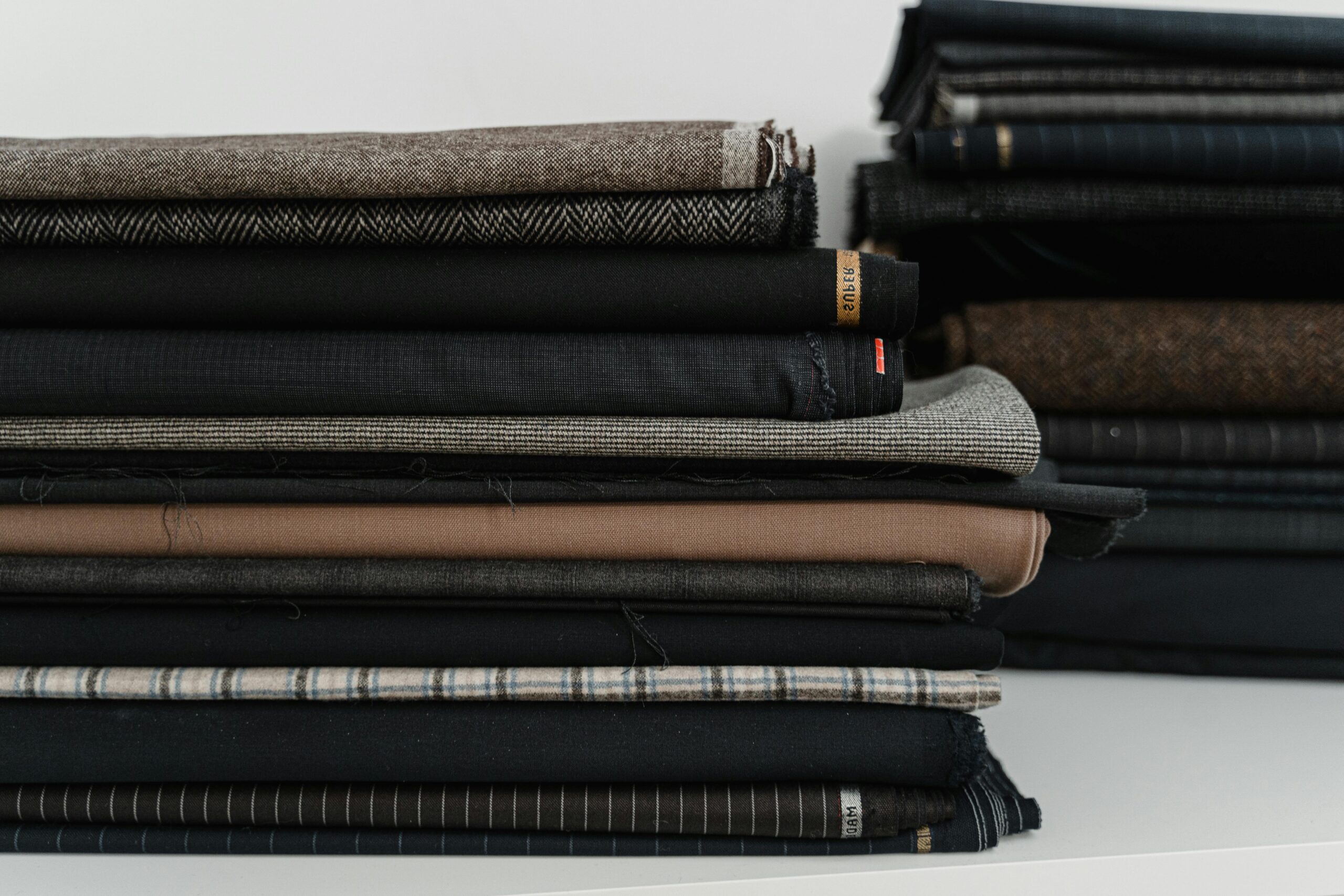
Mindfulness has become an important principle in lifestyle fashion, with many people opting for slow fashion instead of fast fashion. Slow fashion encourages consumers to choose high-quality, durable pieces that are made to last, rather than constantly purchasing inexpensive, mass-produced clothing. By making thoughtful fashion choices, individuals contribute to reducing waste and supporting the movement toward a more sustainable, conscious fashion industry.
- Investing in Timeless Pieces
Lifestyle fashion also encourages investing in timeless, versatile pieces that can be worn in various settings and for multiple seasons. Classic items like a well-tailored blazer, a perfect pair of jeans, or a simple white shirt can be dressed up or down, making them staples in any wardrobe. The focus on timeless pieces over fleeting trends allows individuals to build a wardrobe that is both functional and stylish, helping them reduce unnecessary consumption and curate a more sustainable closet.
The Future of Lifestyle Fashion: Embracing Innovation and Sustainability
- Tech-Infused Fashion
Looking ahead, technology is set to play an increasingly significant role in lifestyle fashion. Innovations such as smart fabrics, wearable tech, and 3D-printed garments are pushing the boundaries of what is possible in clothing design. These technologies allow for more personalized and functional fashion, enabling clothes to adapt to specific needs, such as regulating body temperature or monitoring health metrics. As technology continues to evolve, the future of lifestyle fashion will likely be defined by a seamless integration of style, function, and innovation.
- The Continued Emphasis on Sustainability
Sustainability will continue to be a driving force in lifestyle fashion, with more brands exploring eco-friendly fabrics, closed-loop production systems, and circular fashion models. Consumers are becoming increasingly aware of the importance of ethical fashion, and this growing demand will likely push the industry toward more sustainable practices. The future of lifestyle fashion will be one where conscious consumerism and eco-friendly designs take center stage, offering stylish yet responsible clothing choices for the modern world.
Conclusion: Fashion That Reflects Modern Living
Lifestyle fashion is more than just a trend—it represents a shift in how we view clothing and its role in our daily lives. From athleisure that combines comfort with style to sustainable fashion that prioritizes ethical production, lifestyle fashion is about making intentional, mindful choices that reflect who we are and how we live. As this movement continues to evolve, we can expect fashion to become even more personalized, sustainable, and adaptable to the diverse needs of modern life.