Real Estate: Understanding the Market and Its Impact
Real estate is a significant aspect of the global economy, influencing individuals, businesses, and governments alike. It encompasses a wide range of property types, including residential, commercial, industrial, and agricultural real estate. As one of the most valuable assets, real estate plays a crucial role in wealth creation, economic development, and urbanization. In this article, we explore the fundamentals of real estate, the factors that drive the market, and the challenges and opportunities within the industry.
The Different Types of Real Estate
- Residential Real Estate: Homes for Families and Individuals
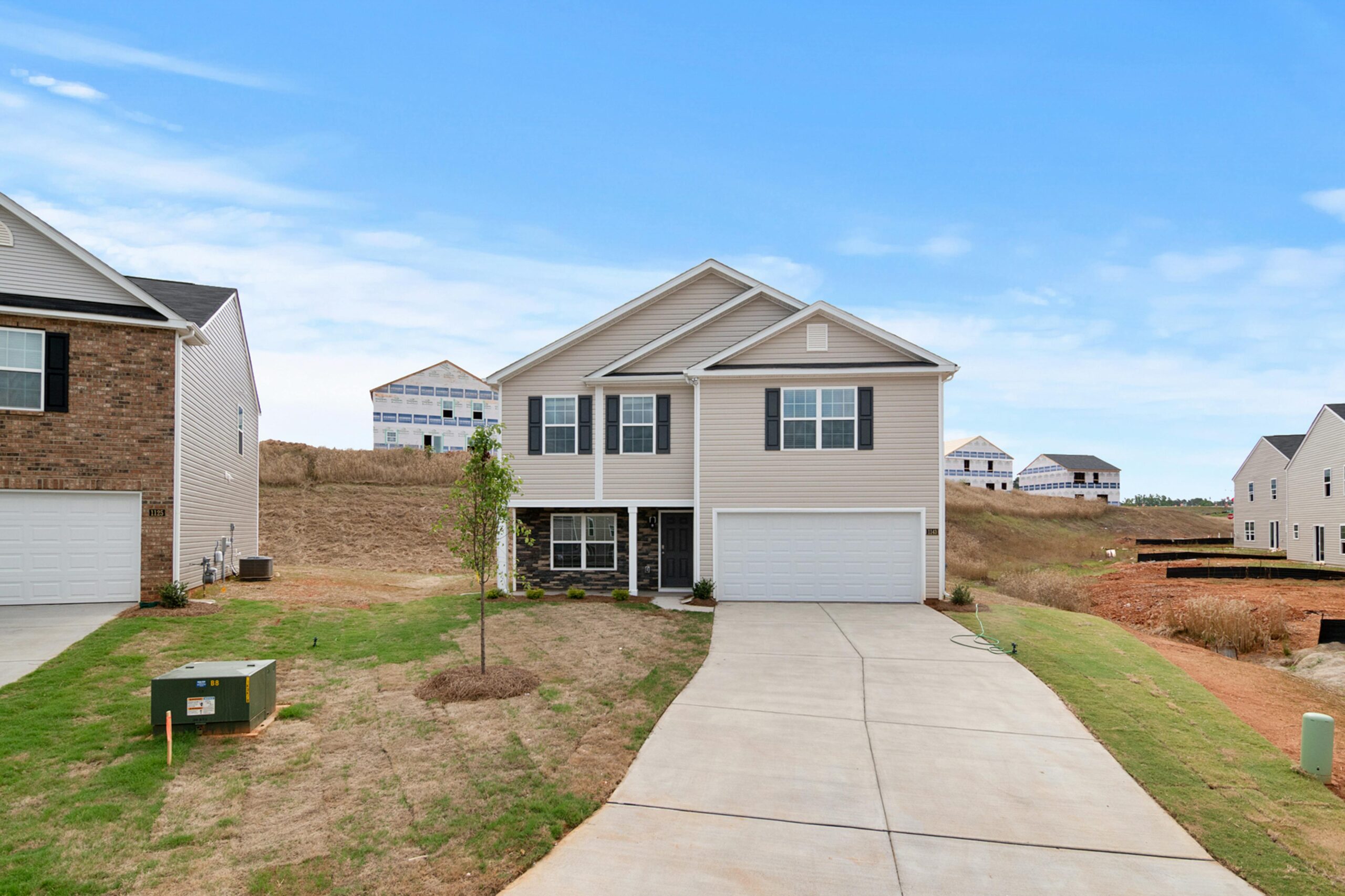
Residential real estate refers to properties intended for personal living spaces. This includes single-family homes, condominiums, townhouses, and apartment complexes. The residential market is often influenced by factors such as location, amenities, and the overall demand for housing in a particular area. Real estate investors and homeowners alike consider these properties valuable not only as places to live but also as long-term investments that can appreciate over time.
- Commercial Real Estate: Spaces for Business and Retail
Commercial real estate (CRE) involves properties used for business purposes. This includes office buildings, retail spaces, shopping malls, hotels, and warehouses. Commercial real estate is a vital component of the economy, providing the infrastructure for businesses to operate and grow. The success of the commercial market is often tied to factors such as business demand, consumer spending, and economic conditions in a region. Investors in commercial properties typically look for properties that offer long-term leases and stable rental income.
- Industrial Real Estate: The Backbone of Manufacturing and Logistics
Industrial real estate encompasses properties used for manufacturing, distribution, and storage. Warehouses, factories, and distribution centers are included in this category. The rise of e-commerce and the increasing demand for logistics and supply chain facilities have driven significant growth in industrial real estate. These properties are typically located in strategic areas close to transportation hubs, such as ports, highways, and airports, to facilitate the efficient movement of goods.
- Agricultural Real Estate: Farms and Ranches
Agricultural real estate includes farmland, ranches, and properties used for growing crops or raising livestock. This type of real estate is essential for food production and contributes to global sustainability. The value of agricultural land is influenced by factors such as soil quality, climate, and proximity to markets. In addition to traditional farming, agricultural properties may also be used for recreational purposes like hunting, fishing, or eco-tourism.

Factors Influencing the Real Estate Market
- Economic Conditions: The Link Between Economy and Real Estate
The real estate market is highly sensitive to economic conditions. Economic growth or contraction can significantly impact property demand, prices, and investment activity. During periods of economic expansion, more people are likely to buy homes, businesses may expand, and the demand for real estate increases. Conversely, during economic downturns, real estate prices may drop, and demand for both residential and commercial properties can decrease. Interest rates, inflation, and employment rates are also key economic factors that influence real estate markets.
- Supply and Demand: The Foundation of Property Pricing
Supply and demand are fundamental principles that drive the real estate market. When demand for properties exceeds supply, prices tend to rise. Conversely, when there is an oversupply of properties, prices may fall. Local factors such as population growth, migration patterns, and changes in zoning laws can influence the supply and demand balance. For example, an influx of people into a growing city may drive up the demand for housing, leading to higher property prices.
- Location, Location, Location: The Importance of Prime Real Estate
In real estate, location is one of the most critical factors affecting property value. Properties in prime locations—such as urban centers, waterfront areas, or desirable neighborhoods—typically have higher demand and can command premium prices. Proximity to schools, public transportation, hospitals, shopping centers, and entertainment options also plays a role in determining a property’s value. Location is a key consideration for both residential and commercial real estate investors.
Challenges in the Real Estate Market
- Rising Property Prices and Affordability Issues
One of the major challenges facing the real estate market, particularly in urban areas, is the rising cost of property. As demand increases and supply struggles to keep up, homebuyers and renters may find themselves priced out of desirable locations. This affordability gap is especially prominent in cities with booming economies and growing populations. Addressing the issue of housing affordability is a key concern for policymakers and urban planners, who must balance development with the need for affordable housing options.
- Real Estate Speculation and Market Volatility
Real estate markets are susceptible to speculation, where investors buy properties with the hope of selling them at a profit. This can lead to market bubbles, where property prices are artificially inflated. When these bubbles burst, property values can drop dramatically, leaving homeowners and investors facing significant financial losses. Volatility in the market can make it difficult for potential buyers and sellers to make informed decisions, contributing to uncertainty and instability in the real estate sector.
- Environmental Concerns and Sustainability
Environmental factors are becoming increasingly important in the real estate market. Climate change, natural disasters, and the need for sustainable development are shaping the future of real estate. Properties in areas prone to flooding, wildfires, or other environmental risks may lose value or become difficult to insure. Additionally, there is growing demand for energy-efficient, eco-friendly homes and buildings, pushing developers to adopt sustainable building practices and use renewable resources.
Opportunities in Real Estate Investment
- Long-Term Investment Potential
Real estate has long been considered a stable and reliable investment option. Investors often view real estate as a way to build wealth over time, as property values typically appreciate in the long run. Rental properties can generate steady income, and commercial real estate can provide consistent cash flow through tenant leases. Diversifying into different property types and regions can help mitigate risks and enhance the potential for returns.
- Real Estate Technology and Innovation
Technology is transforming the real estate industry, from online property listings and virtual tours to smart homes and blockchain-based transactions. Innovations in technology are making it easier for buyers, sellers, and investors to access information and make transactions. Additionally, real estate tech startups are creating new ways to streamline property management, improve efficiency, and reduce costs.